
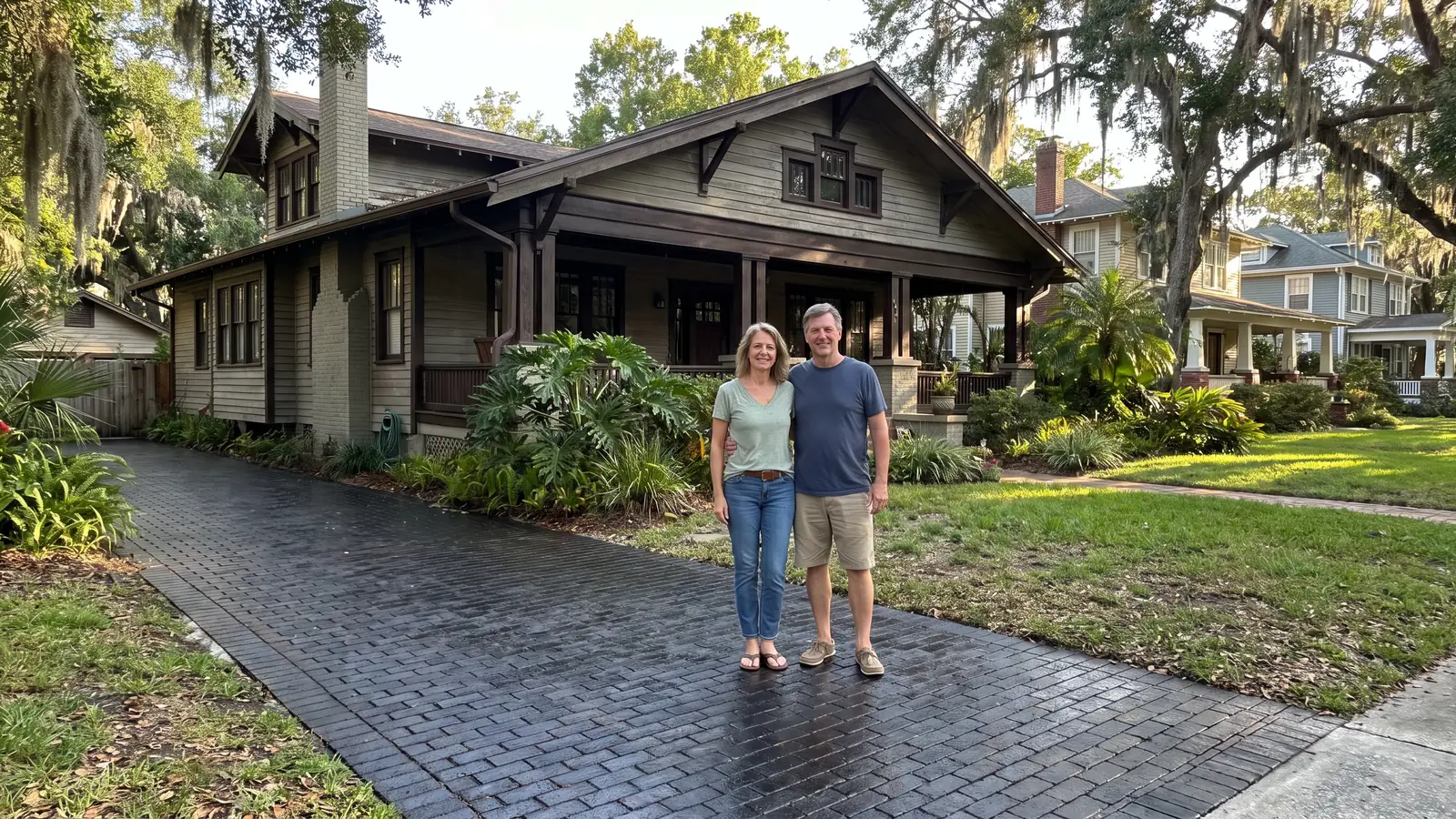
Paver sealing for Whitehouse homes
Paver Sealing in Whitehouse, FL
Slow-draining sand around Whitehouse keeps pavers damp, so call (904) 543-3876 for a free paver sealing estimate.
- Brings out deeper paver color
- Fresh joint sand helps lock pavers in place
- Gives weeds less room to grow
- Makes the surface easier to keep clean
- Free estimate, no obligation
Request a Free Estimate
Free, no obligation.
Fast, careful paver sealing in Whitehouse
Paver sealing is available across Whitehouse, from the blocks near Whitehouse Park to the roads that lead toward Camp Milton. The work covers driveways, walkways and patios, and a local contractor washes, re-sands and seals them with a free estimate up front. Call (904) 543-3876, and someone will answer within 1 business day, often much sooner.
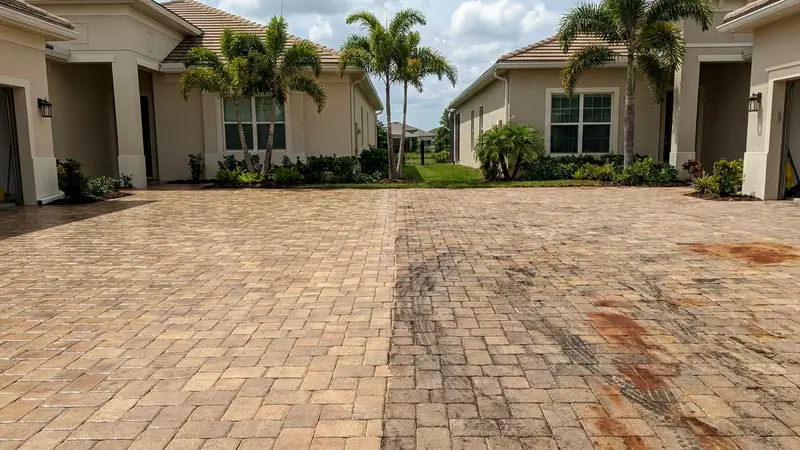
Say your driveway has turned orange where the sprinkler lands and the joints have filled with weeds. A wash, fresh sand and a new coat clear the stains and bring back one steady color. To describe your own pavers first, book a free estimate.
Why hire a local paver sealing contractor in Whitehouse?
Whitehouse is classed as rural by population density, and most of its homes went up between 1970 and 1999. People here pick a local paver contractor who knows older yards, so to talk about yours, book a free estimate.
A free look at your yard
You get a free walk around your Whitehouse pavers and a price before any work is agreed.
Bigger yards, better rate
A Jacksonville cost guide says larger jobs get a better rate per square foot. Published prices run $1.75 to $3.25 to clean, sand and seal.
A finish that suits the house
Matte keeps pavers looking natural beside brick, siding or a wood porch. A wet look makes color richer but scuffs show sooner.
You stay in charge
The day and the finish are yours to choose, and the estimate puts you under no obligation. A reply is promised within 1 business day, frequently sooner than that.
Get Your Free Estimate in Whitehouse
Tell us about your pavers in Whitehouse.
Free, no obligation
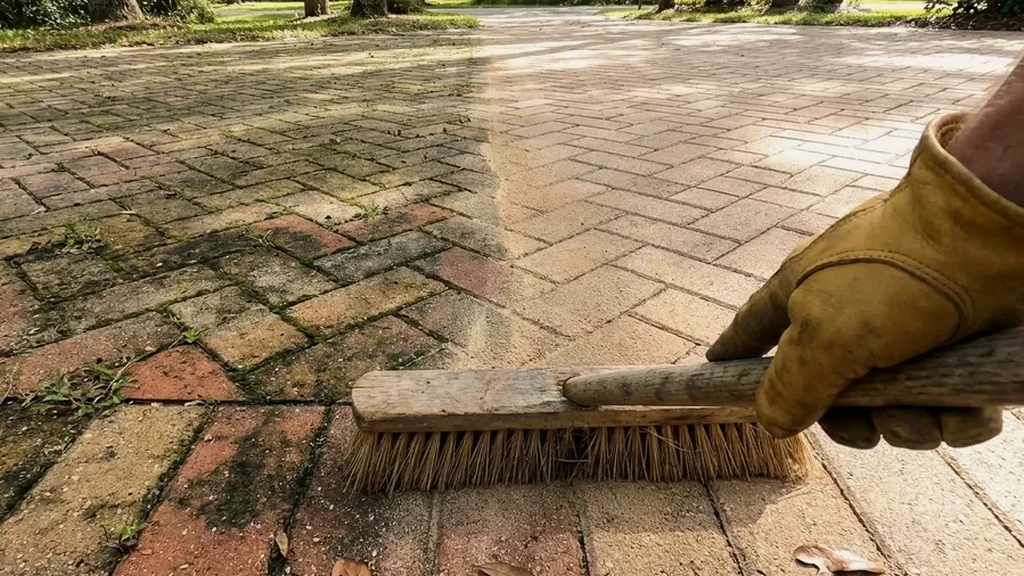
What paver problems show up most in Whitehouse?
Rust-colored fans from irrigation water
University of Florida extension notes that iron is common in Florida well water, and that irrigating with it often leaves orange stains. If your sprinklers run on a well, look for rust-colored fans on the pavers where the spray lands. Sealer would trap those marks, so they are treated before any coat goes on. Turning the sprinkler heads away from the stones keeps fresh streaks from forming. New sealer also helps later splashes sit on the surface instead of sinking in. A look at the pavers closest to the sprinkler heads usually shows where the water lands.
Flat, slow-draining sand
Whitehouse sits at about 85 feet above sea level. The USDA describes the Leon and Myakka soil series, common on Atlantic Coastal Plain flatwoods, as poorly drained sand with a water table that can sit within 18 inches of the surface for months. Water that drains slowly keeps the ground under pavers wet. Wet ground feeds algae and moves bedding sand around. After a long rainy week, even a sunny driveway can take days to dry all the way down. Flat ground gives water little slope to run down, so a low spot beside the garage can hold a puddle long after the rain ends.
Wet woods and heavy shade
Camp Milton, off Halsema Road North, is a mix of dome swamps, basin swamps and lakes along McGirts Creek. Yards near wet woodland like that hold shade and moisture. Algae spread faster where it is wet, shady and still, so a walkway under the trees can turn green well before a sunny drive does. Needles and leaves left lying on the stones keep the damp pressed against them. Camp Milton's boardwalk and its 15-mile Jacksonville-Baldwin trail show how much wooded, wet ground sits in this corner of the Westside.
Joint sand lost to summer downpours
Rain in Jacksonville adds up to about 52 inches a year, and summer delivers much of it in hard downpours. Hard rain pulls sand from joints that were never sealed, and one Jacksonville company names sinking and washouts as the main way pavers fail. When sand leaves, joints open up and weeds move in. Sealer holds the sand where it belongs, which keeps the stones locked together and the surface level for the next storm. Pavers near a roof drip line lose sand first, because the same spot takes every bit of roof runoff.
Settled spots and an unknown old coat
Realty data puts Whitehouse homes between 1966 and today, with most built from 1970 to 1999, so a paver area may have been down for decades. Sunken or lifted spots get repaired before sealing, since a coat only preserves them. A past owner may also have used an oil-based product, which must be stripped first. Since water-based sealer will not stick to a solvent-based coat, the contractor checks the old layer first. A written list of repairs shows what the price covers.
Which Whitehouse communities can get paver sealing?
All of them, from the older lots near Whitehouse Elementary to the communities farther out. A realty guide names Old Plank Plantation, Wellhouse Estates, Jax Farms and Panther Creek as nearby communities. Homes there date from 1966 onward, with a median build year in the 1980s. When you book a free estimate, give the name of your community.
NeighborhoodScout describes the housing as mainly single-family homes and mobile homes, most owner occupied. Pavers usually show up as a driveway apron, a front walk or a back patio behind the house. Mixed housing means mixed jobs, from a few stones at the door to a full patio. Call (904) 543-3876 and describe what you have.
Because the area is classed as rural by population density, lots often have more room, and bigger driveways cost less per square foot. A Jacksonville cost guide says larger projects spread setup time across more surface. A long driveway also takes longer to wash and dry, so the crew size and schedule matter. To price your own layout, book a free estimate.
What does paver sealing cost in Whitehouse?
Posted rates in this region run $1.75 to $3.25 per square foot for the wash, the sand and the sealer, and the final number comes after the joints are inspected. In Whitehouse, bigger yards often land toward the lower end because setup time spreads over more surface. A failed old coat adds cost, since it has to come off before new sealer goes on. To see where your yard falls, book a free estimate.
A small job carries a higher rate per foot, because setup stays the same size. Extra time goes to gates, stairs, narrow side yards, heavy algae and deep stains. Prep runs longer than the sealing itself, and one Jacksonville company puts it at 2 to 3 hours for every hour of sealing. Phone (904) 543-3876 to describe the yard, and each part of it gets priced.
| Paved area | Typical example | Clean, sand and seal |
|---|---|---|
| 300 sq ft | Small patio or walkway | $525 to $975 |
| 600 sq ft | Two car driveway | $1,050 to $1,950 |
| 1,000 sq ft | Large driveway or pool deck | $1,750 to $3,250 |
| 1,500 sq ft | Driveway plus pool deck | $2,625 to $4,875 |
Math based on the $1.75 to $3.25 per square foot that Northeast Florida paver companies publish. Your contractor sets the actual price after seeing the surface. Repairs, leveling and stripping failed sealer are usually extra.
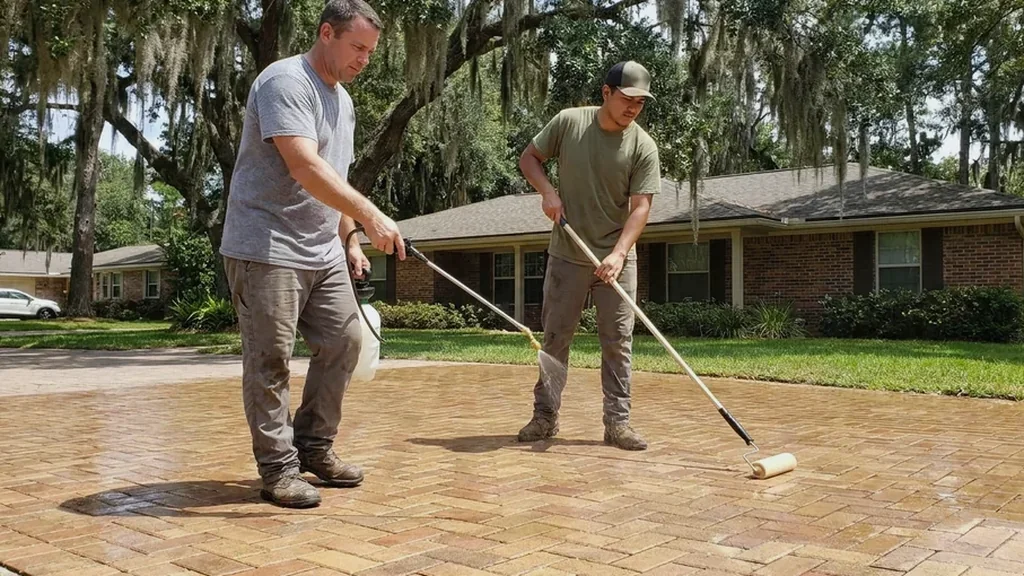
How does a paver sealing job work in Whitehouse?
Read the yard first
The contractor checks how water leaves your Whitehouse pavers, where shade and sprinkler spray land, and whether any section has dropped. Orange rust, oil spots, green film and any tree roots near the edges are noted. If the pavers were sealed before, the product matters, so a small test spot may be used before choosing what goes on next. You get a clear picture of the plan and the price before anything starts. Send photos if you like, but the visit is what settles the plan. On a long driveway, the contractor also notes where the sun gives way to shade, since one stretch may dry hours before the next.
Pre-treat stains, then wash
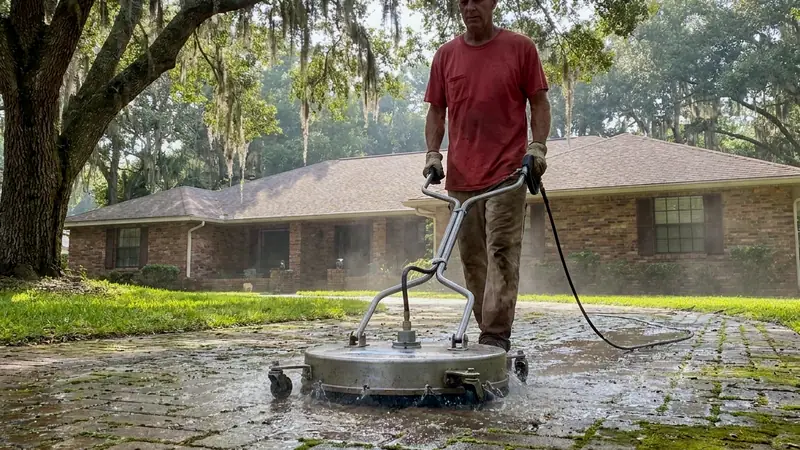
Rust and oil get a pre-treatment, and then the whole surface is washed at controlled pressure. Green film comes off the shaded edges. A deep stain may fade without disappearing, and the contractor says so up front. Hard blasting is skipped, since it can pull out joint sand and scuff the paver face. Damp corners and the foot of each step get another pass.
Reset stones and top up joints
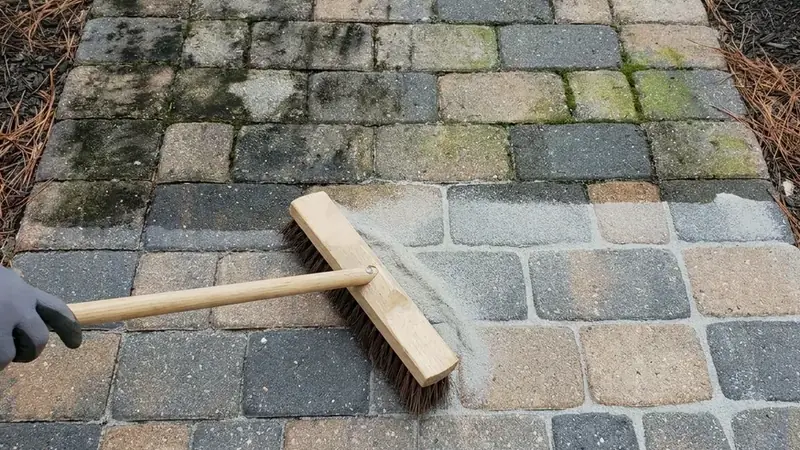
Sunken or lifted pavers are reset, because sealer would only lock in the dip. Fresh sand is swept into the joints and packed down. On loose sandy ground, full joints are what keep the stones from shifting and keep weeds from taking root. Ants that nest in empty joints lose their foothold as well. Sand in a similar tone keeps the finished joints from drawing the eye. Sand that matches the stones keeps the joints from standing out.
Let the ground-level damp clear
Sealing waits for a fully dry surface, usually 24 to 48 hours after cleaning. Ground that drains slowly can keep bedding sand damp, so a shaded walkway may need extra time. Sealer on damp stones can dry white or blotchy, and a coming downpour means waiting. A moved date costs less than redoing a cloudy coat, so the contractor waits. A rainy week can push the date by a day or two, and the contractor will tell you.
Apply the sealer and hold off traffic
Sealer is sprayed on in a thin coat and rolled out so it settles into the joints. You can walk on it within a few hours. Keep cars off for about 24 hours, and switch off sprinklers that reach the pavers that night. Afterward, drops that sit up on the surface show a coat that is doing its job.
Complete paver services in Whitehouse
Every Whitehouse job starts with the surface, not the sealer. Oil, rust and tire marks are pre-treated, and many lighten a lot, though some deep stains will not come out completely. Washing follows at controlled pressure, since harsh pressure can loosen joints. Call (904) 543-3876 and tell the contractor which stains worry you most.
Joints come next. The wash pulls out joint sand, so fresh sand is brushed in and compacted before sealing, and sealer then stabilizes it against washout and weeds. In Whitehouse, where the ground under the pavers is loose sand, that step carries real weight. When you book a free estimate, ask whether the sand color matches your pavers.
Sealers fall into two groups. Acrylic sealers form a film on top that steadies the joint sand, while silane and siloxane products soak in and leave the surface looking as it did. A matte finish stays natural and a wet look makes color deeper, while an old solvent-based coat rules out water-based sealer. To pick a finish, book a free estimate.
Timing matters as much as product. Fall is often chosen for sealing because it is drier, with the driest months running November to April. Stones need to be dry through and through before sealing, and a wet forecast pushes the job back, with cars kept off roughly a day afterward. To find a window, call (904) 543-3876.
Questions to ask before you hire
- How often should I rinse a sealed driveway so the finish stays even?
- What does the price cover if I only want the front walkway done?
- Can you clean and seal brick pavers that have been in the ground for decades?
- Can you work in a narrow driveway or tight side yard without blocking the street?
- How do you keep green algae from coming back in the shade beside my house?
- Do you seal the sides of the pavers where they meet my lawn and flower beds?
- How do you confirm the pavers are dry all the way down before you apply sealer?
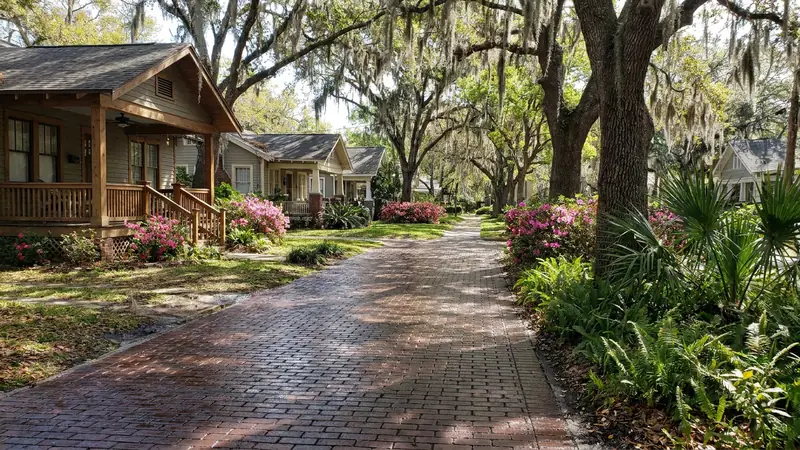
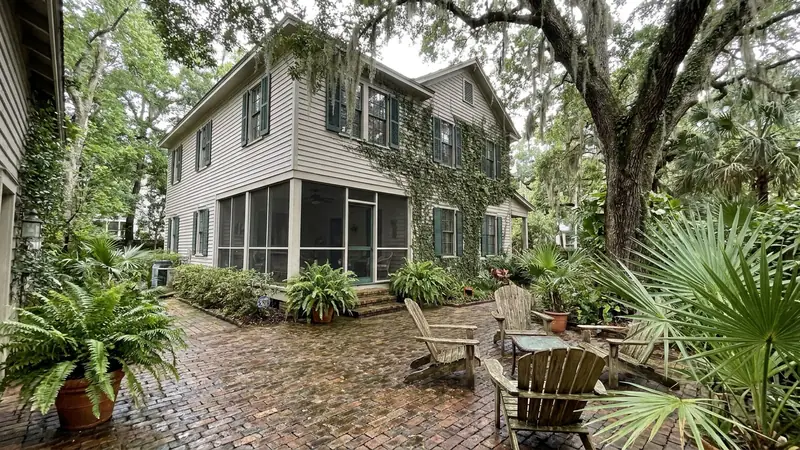
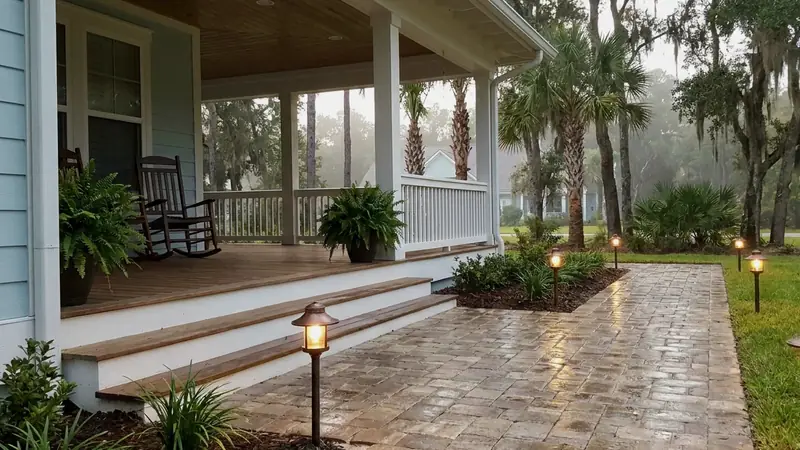
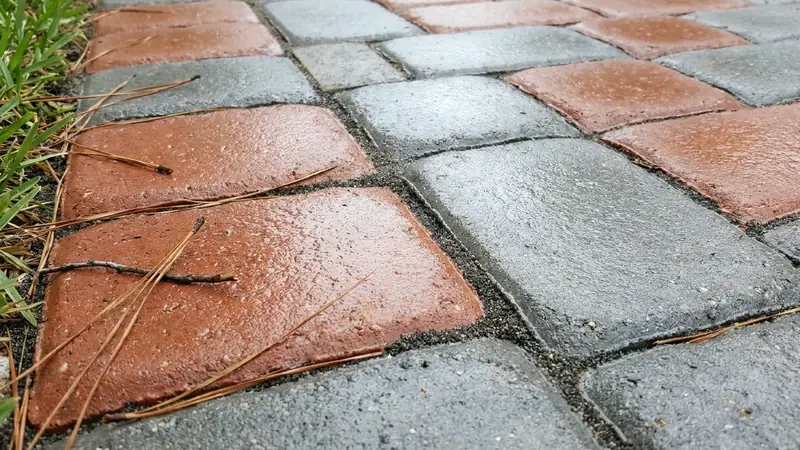
What do sealed pavers look like around Whitehouse?
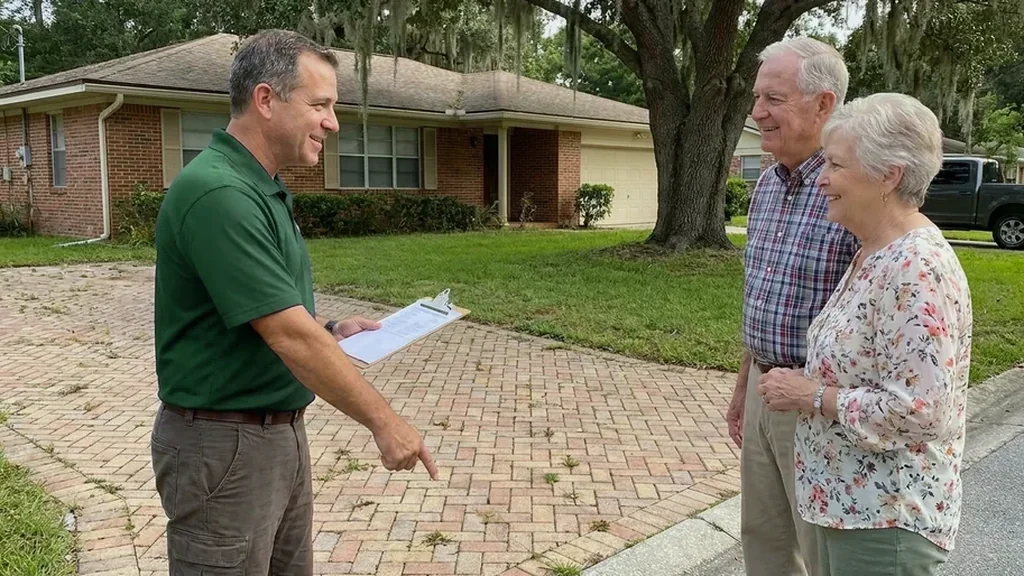
Why local matters in Whitehouse
A contractor who works the Westside already knows that the flat sand under many yards drains slowly. It decides how long your surface needs before it can take sealer. That sounds minor, yet it means the work on your lot starts on a realistic schedule. Call (904) 543-3876 to talk it through.
Whitehouse lies in the northwest part of Jacksonville, near the former Cecil Field and its Cecil Commerce Center. A local contractor reaches it without a long haul, so scheduling stays simple. You can plan around the dry season and pick a date that suits you. To set one up, book a free estimate.
Homes here run from older houses to newer builds, and many have had pavers added over time. A local contractor expects mixed ages, edges that have moved and sprinkler heads in odd places. That saves surprises at the estimate. To get one for your driveway, book a free estimate.
What places do Whitehouse homeowners live near?
Whitehouse Elementary opened in 1926, and Whitehouse Park on General Avenue covers 17.96 acres with lighted ball fields and a playground. Camp Milton Historic Preserve, on Halsema Road North, holds earthworks built in 1864 along McGirts Creek. Walkers and riders use its trails and boardwalk, and the paved Jacksonville-Baldwin Trail runs through it. If your Whitehouse home is nearby, book a free estimate.
The area also borders the old Naval Air Station Cecil Field, which closed in 1999 and became the Cecil Commerce Center. About 2,500 acres of the base lay at OLF Whitehouse. Open land, wooded creek country and a few big institutions shape a quiet corner of the Westside. Call (904) 543-3876 and ask about your yard.
Frequently Asked Questions
Is it worth sealing pavers in Whitehouse, Florida?
Yes, because rain, sun and loose sand wear on unsealed pavers. Sealer slows fading, holds joint sand in place and keeps oil and dirt on the surface. Sealing cannot lift a sunken paver, so low stones are reset beforehand. The free estimate lists what your Whitehouse pavers call for. A sealed surface is also easier to clean later, since dirt and algae hold on less.
How many years does paver sealer last on a Whitehouse driveway?
Quotes in this region usually give a coat two to five years. Open sun and heavy use cut that short, while shade can stretch it. Water that soaks in quickly instead of beading says the coat is due. A wet look will show wear marks before a matte finish does. Ask the contractor to show you what a worn coat looks like at your visit.
What does it cost to clean and seal pavers in Whitehouse?
Expect rates from $1.75 up to $3.25 per square foot for cleaning, sanding and sealing in this region. Larger yards tend to land lower per foot, and small jobs land higher. Failed old sealer, deep stains and tight access raise the total. The free estimate ends the guessing and gives a firm number. Strip and reseal, deep stains and tight access all add to the number, so the estimate lists each one. A long driveway and a short front walk follow the same per-foot yardstick, but setup does not scale evenly, which is why the quote lists both.
Is fall a good time to seal pavers in Jacksonville, Florida?
Yes, since fall is usually drier, and the dry stretch runs from November to April. Summer brings short, hard downpours that can ruin a fresh coat. Sealing goes ahead only on a dry surface with a dry stretch in the forecast. The result is fewer weather delays and a cleaner finish. That window gives the most workable days for a wide-open Whitehouse yard.
Will orange rust stains come out before sealing?
Many fade a great deal, but a deep stain may never come out all the way. Rust from iron-rich irrigation water is pre-treated before washing. Sealer would trap any mark left behind, so it is dealt with first. Sprinklers that miss the pavers will not add new stains. Fresh sealer afterward helps later splashes stay on the surface. A well-water source is the usual suspect, though the contractor can only judge from the stains in front of them.
Will weeds still push up between sealed pavers?
It reduces them a lot. Sealer binds the joint sand, which leaves weeds little room and no loose sand to root in. The joints need fresh sand before the coat goes on. Weeds that show up later point to a joint that lost its sand. Ants that nest in empty joints lose their foothold the same way.
Can pavers be sealed over an old coat?
The answer depends on the type of coat already there. Water-based sealer cannot go over solvent-based sealer, and an oil-based coat must be stripped first. Failing sealer may also need stripping. A look at the surface during the estimate settles which case you have. Failing sealer may also need stripping before the new coat, so a test patch can save a redo.
How long before cars can go back on the driveway?
People can walk on it after about 2 to 4 hours. Keep cars off for about a day, though sealer type and weather can shift that. A shower soon after sealing can cloud the finish, which is why the contractor watches the forecast. Pets and bikes should stay off the surface as well.
Ready for a Free Estimate in Whitehouse?
Call (904) 543-3876 and tell us about your pavers.
Free, no obligation